
Ticks give the icks
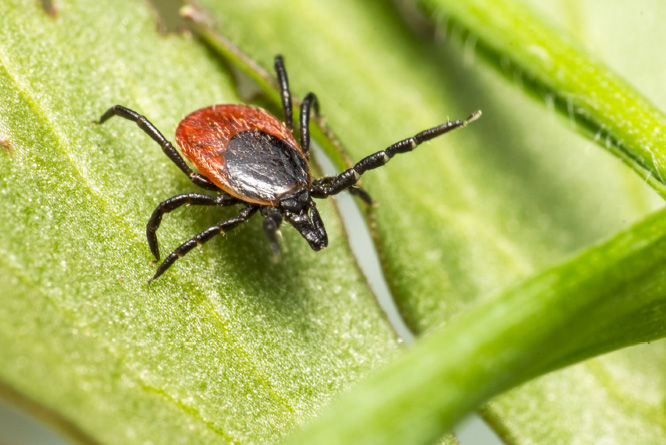
Oregon is experiencing one of its worst tick seasons, driven by a mild winter and warm early spring that allowed tick populations to surge across the West.
Ticks aren’t just unpleasant: they transmit serious diseases. In Oregon, the most significant threats to dogs and cats include:
Lyme disease, caused by the western black-legged tick, which can lead to joint pain, lameness, fever and kidney damage in dogs.
Anaplasmosis, which causes fever, lethargy and clotting disorders in both dogs and cats.
Rocky Mountain spotted fever can be life-threatening without prompt treatment.
Cats are generally more resistant to tick-borne illness but are not immune, and ticks found on cats can easily transfer to human family members.
Check your pets — and yourself and your children — after every outdoor outing. Early removal is key: a tick must typically be attached 24 to 48 hours to transmit disease.
We sell several products for cats and dogs, to guard against ticks and fleas. There are topical options, oral chewable tablets and special collars. We can help guide you in choosing one that is best for your household.

In partnership with Willamette Veterinary Hospital
& Ark Animal Hospital

Tess Guy, DVM Ark Animal Hospital


Comments