
A safe & spooktacular Halloween: Keeping kids safe, from littles to teens
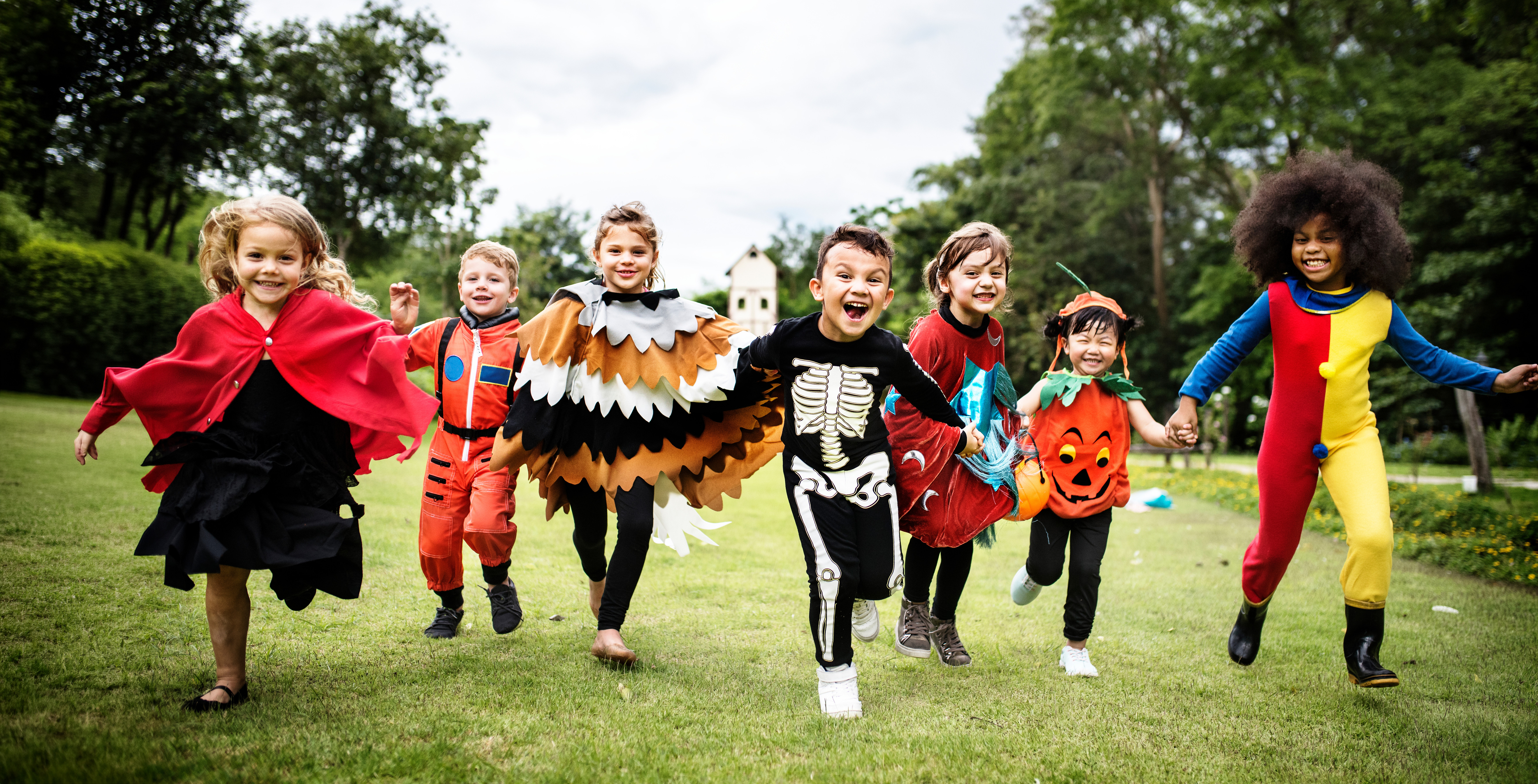
As the days grow shorter and the air turns crisp, Halloween brings families a chance to enjoy costumes, traditions, and a little seasonal fun before winter arrives. From tricks to treats, keeping activities age appropriate and safe should be a top priority.
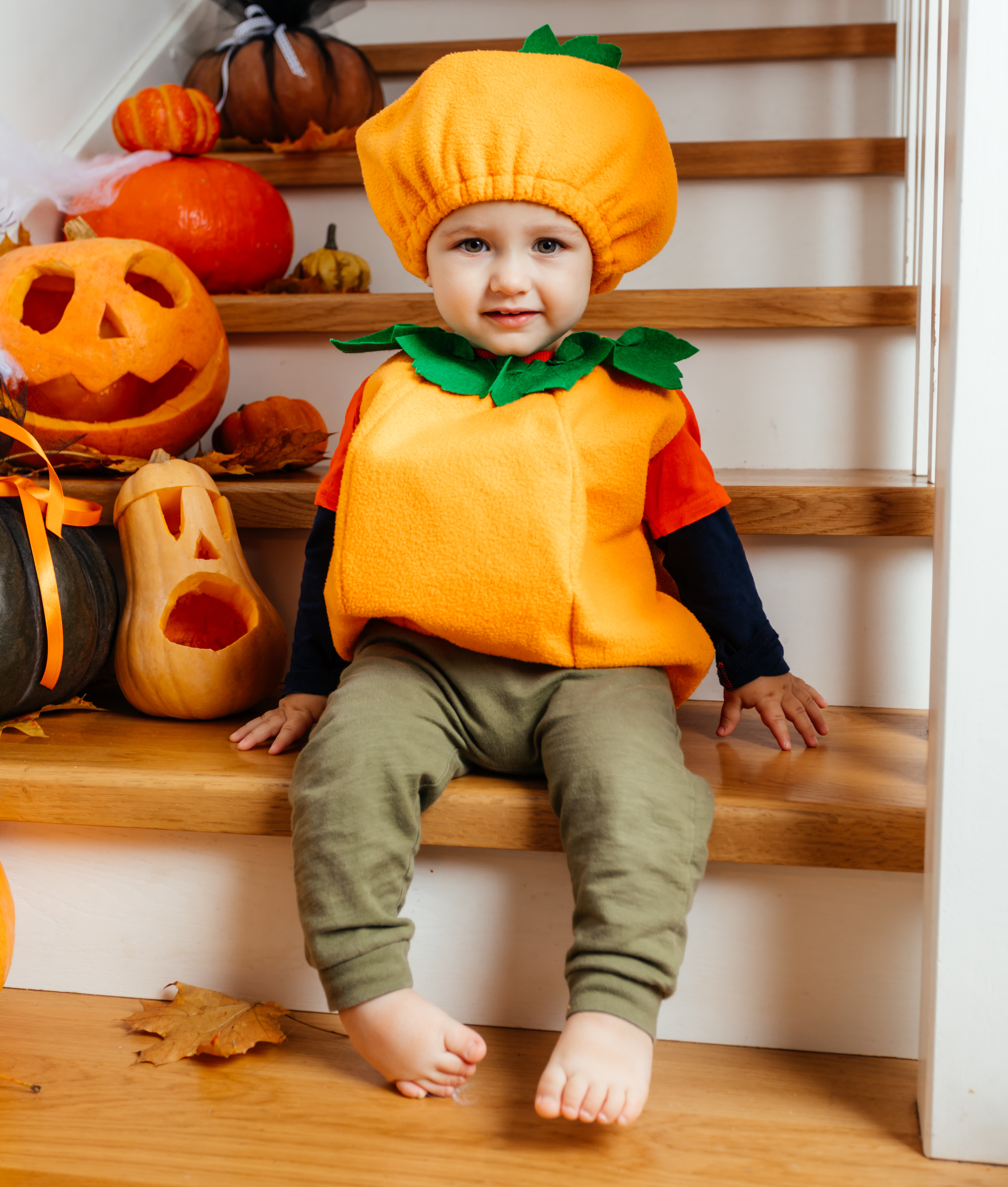
For babies and toddlers, Halloween can be difficult to understand, but parents often enjoy choosing adorable costumes and capturing memorable photos. If costumes are worn for more than a quick picture, ensure they are comfortable for the weather and free of choking hazards. Avoid taking young children to places with overly frightening décor, such as haunted houses or some Halloween attractions. Little ones may not yet have the context to understand scary imagery.
School-age children often get the most enjoyment from Halloween. Classroom celebrations, school carnivals, and community events can make the season especially exciting. If costumes are allowed at school, review the school’s guidelines. Masks and toy weapons are often prohibited for safety reasons.
Wherever your child is celebrating, remember to:
• Choose costumes that are age appropriate and comfortable.
• Select non-toxic, hypoallergenic, cosmetic-grade products if using makeup, and test products on a small area of skin a few days before use.
• Ensure that scary movies are appropriate for the youngest viewer present.
After dressing up, trick-or-treating is often the highlight of Halloween. Children should go in a group with one or more adult chaperones. Make sure costumes are free from tripping hazards and carry a flashlight or battery-operated lantern. Additionally:
• Do not accept homemade treats unless you know the person providing them.
• Instruct children not to enter homes unless a parent or guardian approves.
• Check food ingredient labels for allergens if you have a child with allergies. Teal pumpkins may indicate non-food or allergy-friendly treats.
• Consider the age, maturity level, and neighborhood safety when deciding how late children should be out trick-or-treating.
• Watch local event listings for trunk-or-treats, school carnivals, or other community celebrations.

Many communities offer family-friendly alternatives such as trunk-or-treat events, pumpkin walks, harvest festivals, and school carnivals. These events can provide a fun and structured environment, especially for younger children.
Teenagers still enjoy dressing up and participating in Halloween traditions. Whether they choose to trick-or-treat, attend a party, or volunteer at a community event, Halloween can remain a fun and age-appropriate celebration. Remind them that their curfew still applies.
If costumes are worn for more than a quick picture, ensure they are comfortable for the weather and free of choking hazards.
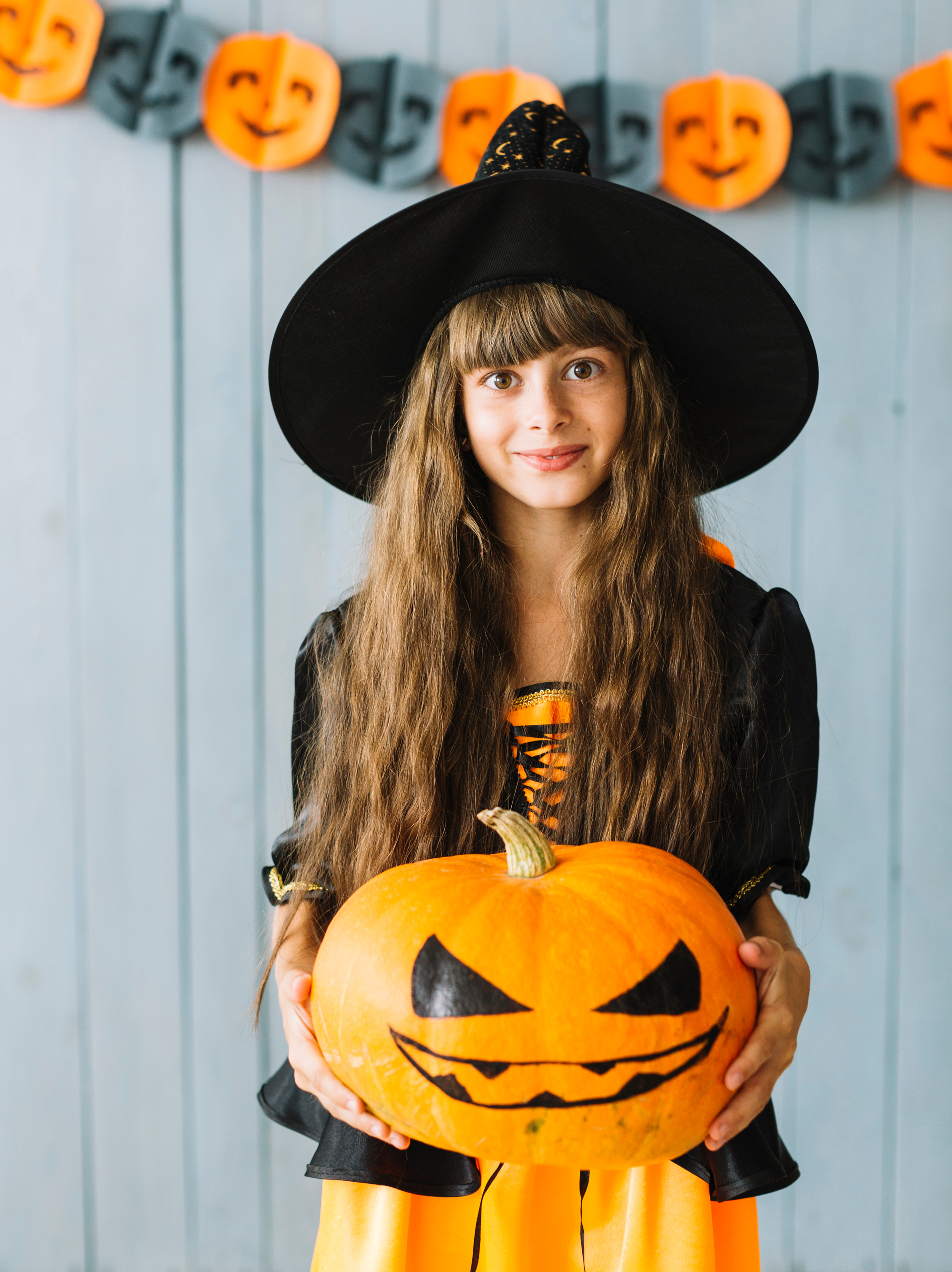
One way to ensure your children have a safe and fun Halloween is to host a party. It’s a great opportunity for kids and families of all ages to celebrate together.
When planning:
• Host the party on the weekend if Halloween falls during the week.
• Hold a costume contest with categories that guests can vote on.
• Plan games that all ages can enjoy.
• Prepare goodie bags with stickers, erasers, and other small tokens to place less emphasis on candy.
Whether your family goes all out for Halloween or prefers a quieter celebration, there are countless ways to participate. Halloween should be fun, but a little planning can go a long way toward keeping children safe and ensuring everyone enjoys the experience.


Comments